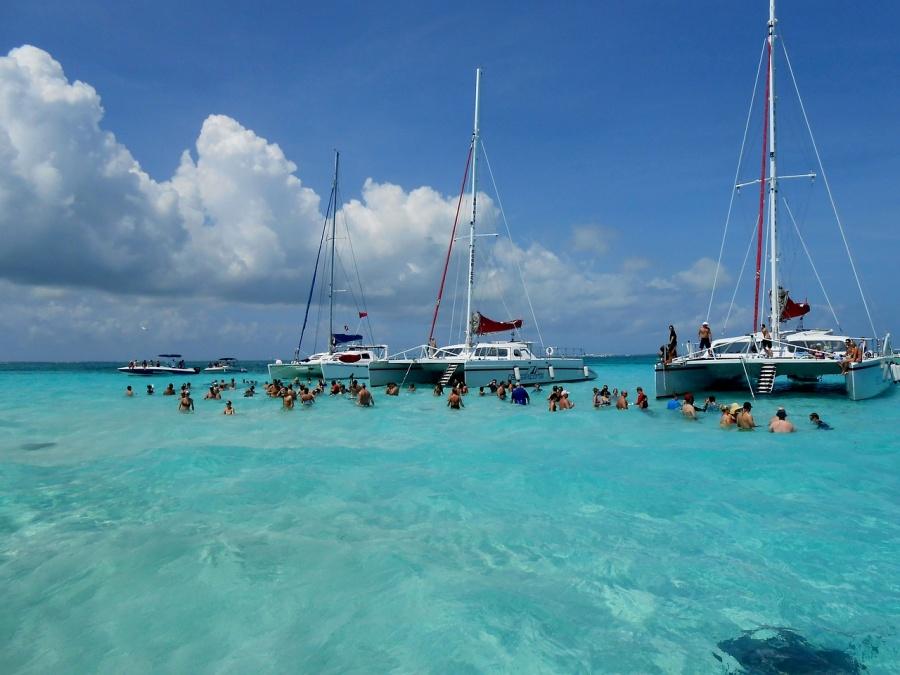
The Caribbean is by far one of the favourite overseas destinations for lovers of crystal-clear sea and pristine white beaches. Taking a cruise in these areas is definitely a unique experience that we recommend to everyone, thanks to which you can enjoy a breathtakingly beautiful natural setting and an infinite variety of atolls and sparsely populated islets where you can disembark to spend a few hours detached from the rest of the world. Here is some useful information for a Caribbean Cruise, starting with the most convenient period for costs and weather conditions.
When to go: best time
Best time: the dry season, from December to April
Period to avoid: it is best to avoid the rainy season so as not to be taken by surprise by the more unstable climate. In particular, the period from July to September is the most dangerous, due to the high risk of hurricanes.
Advice: a cruise to the Caribbean is a type of holiday to suit all tastes, offering both relaxation possibilities but also excursions and adrenaline-pumping activities. We therefore recommend that you first choose what kind of holiday you are looking for and then find out about the excursions/activities organised by the ship's team, so that you can book in advance and not miss any opportunities.
Climate, Average Temperatures and Rainfall
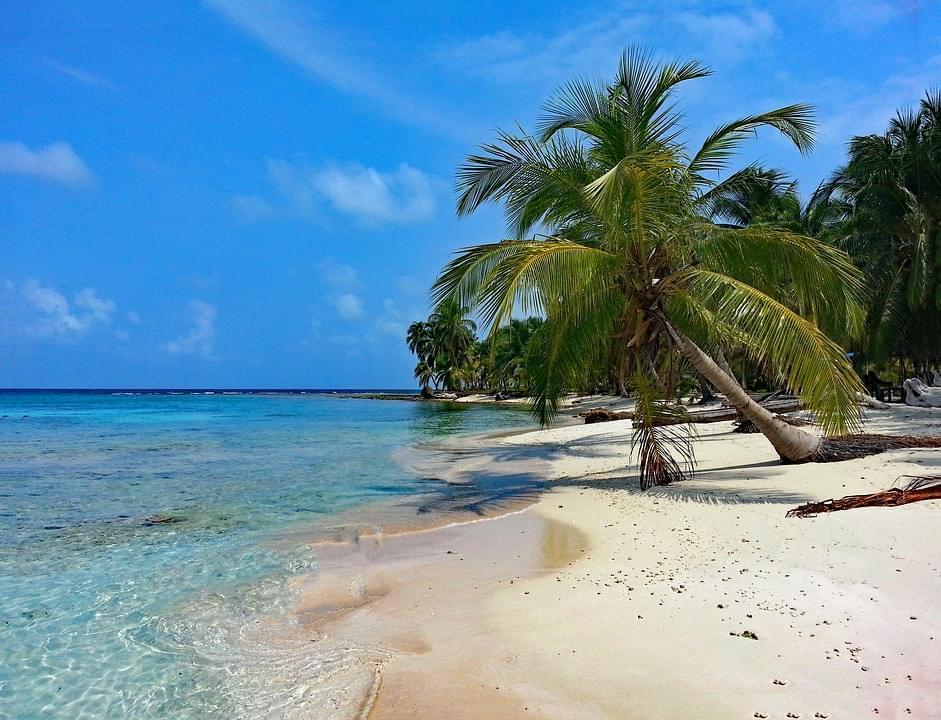 TheCaribbean climate is predominantly tropical, with two main seasons alternating: the dry season that runs from December to April, and the wetterseason(the so-called'rainy season') that occurs for the remainder of the year. In spite of this, however, the temperatures do not undergo a noticeable change between the two different seasons. In fact, the temperature range is rather low with annual averages always around 25°. Consequently, the sea temperature is also quite pleasant regardless of the time of year, so much so that the area is one of the most popular in the world for seaside tourism.
The only 'flaw' in these almost always favourable climatic conditions is the phenomenon of hurricanes, which can strike with more violence during the period from the end of July to the end of September.
The table below shows the average temperatures and rainy days by month for the island of Cuba.
SEE ALSO: When to go to the Caribbean: climate, best time and months to avoid
Month | Average temperature (min/max) | Raining days |
|---|---|---|
January | 19/26 °C | 3 |
February | 19/26 °C | 2 |
March | 20/28 °C | 4 |
April | 21/29 °C | 6 |
May | 22/30 °C | 10 |
June | 23/31 °C | 11 |
July | 24/31 °C | 6 |
August | 24/32 °C | 9 |
September | 24/31 °C | 11 |
October | 23/29 °C | 14 |
November | 21/28 °C | 7 |
December | 20/27 °C | 3 |
How much: info and prices
Price: from a minimum of €2,500 to a maximum of €7,000 per person, including intercontinental transfers, full board, cabin and any excursions
Recommended duration: varies according to the itinerary chosen, but in general we recommend a minimum of 8 days. The ideal would be 15 days.
Companies that organise cruises in the Caribbean: Costa Cruises, Royal Caribbean, MSC Cruises, Celebrity Cruises, Princess Cruises
Customised quote: click here to request a customised quote
Suggested itineraries
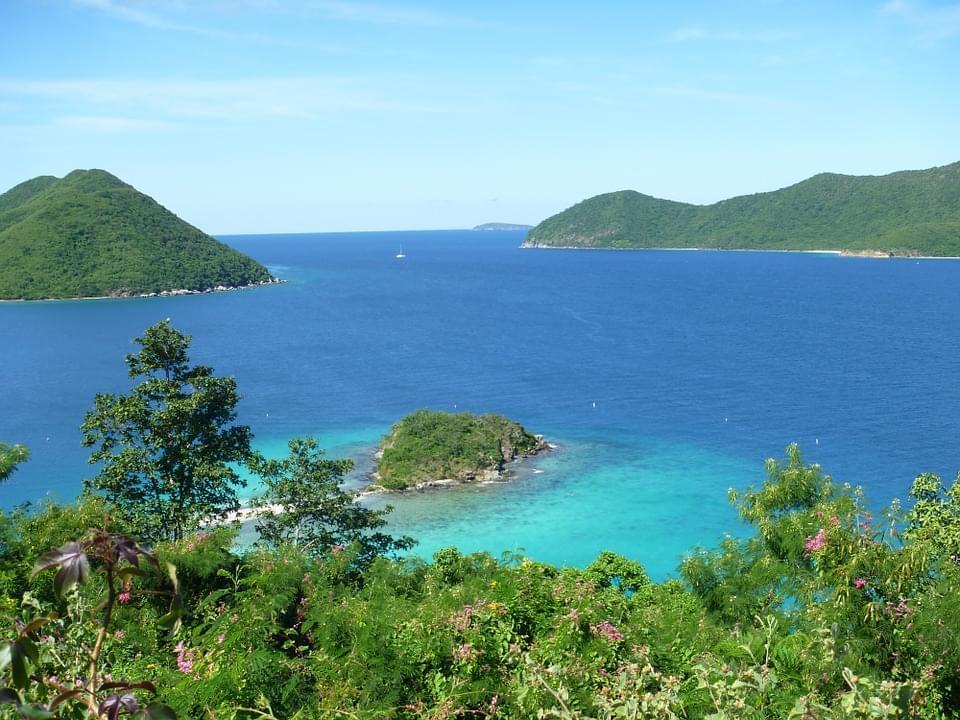 There are different types of itineraries, and generally they also touch ports that fall within the Caribbean Sea and Atlantic Ocean circuit, such as Miami or the Costa Maya in Mexico. Below are some of the main proposals.
Classic Caribbean Cruise
Departure from Milan Malpensa airport with an expected stopover at Paris Charles De Gaulle airport and expected arrival at the island of Guadeloupe in 15 hours;
Accommodation on the cruise and departure from the port of Pointe à Pietre Guadalupe in the late evening. During the day, you can visit the island of Guadeloupe, a small overseas department in the middle of the small French Antilles. The island is famous for Saint Anne beach, a strip of white sand surrounded by coconut trees, or for the Carbet Falls, in the heart of the national park. Free day, departure at 11pm.
Navigation.
Arrival at 8 a.m. at Tobago Island, known for its original cigar shape. Possibility of natural inland excursions toArgyle Waterfall, or 4x4 jeep safari.
Arrival at 8am at the island of Grenada. Known as the Thumb of the Caribbean, on this tiny island you will find no modern buildings but only traditional villages and unspoilt nature. It is the ideal place to go diving, enjoy tropical cocktails on the beach or buy souvenirs.
Arrive in Barbados in the morning, and possible visit the Mount Gay distillery where the world's oldest rum was born. For the more adventurous, an adventure in the deep sea on board the submarine Atlantis is planned. Return late in the evening.
Arrival at8 a.m. on the island of St Lucia, a paradise for water sports enthusiasts. A visit to the hills covered almost entirely in rainforest is also recommended. Departure from the island at 18.00 hrs.
Arrival in Martinique in the morning. This is one of the most touristy destinations of the Lesser Antilles, very popular especially with cruise ships. Here you can be enchanted by the tropical forest, snorkel surrounded by multi-coloured fish and visit the old town area of Saint Pierre.
Return tothe port of Guadeloupe to then organise return flights.
French Antilles Cruise
Departure from Milan Malpensaairport with a stopover at Paris Orly airport and expected arrival at Guadeloupe Island airport in 12 hours;
Accommodation on the cruise and departure from the port of Point a pitre in Guadeloupe at 23.00, with the possibility of exploring the area around the port and the maritime centre during the day. We suggest a visit to the Saint John Perse museum, considered a historical monument of the island since the 10th century.
Navigation
Early morning arrival in La Romana, a municipality in the Dominican Republic named after a weighbridge used in ancient times to evaluate goods. The location is characteristic not only for the fine white sand typical of the Caribbean, but also for the presence of Mediterranean-style villages, which makes the area unique. Among the squares of Altos de Chavon, you can admire interesting art galleries or take some time to visit the local archaeological museum. If you love golf, you can always join one of the world-class courses.
Free day in La Romana. Departure around 18.00 hrs.
Arrival at 8.00 a.m. at Catilina Island, a paradise for snorkelling and water sports enthusiasts: the virgin island hides virtually untouched nature and its seabed is home to tropical fish of all kinds. The water temperature is around 29°, which makes the area one of the most desirable in the Caribbean.
Arrival in Philipsburg (south of the island of Saint Martin). This is a destination with a wide international scope: in addition to relaxing on its golden sandy beaches, Philipsburg is the ideal stop for shopping in one of the many boutiques or sipping a cocktail while admiring the sunset. In addition, the two forts of Amsterdam and Willem stand on top of a hill and offer exceptional views. Departure around 18.00 hrs.
Early morning arrival in Antigua, renowned for its fine sandy beaches. Free day and departure by 18.00 - discover what to see in Antigua
Arrival at8 am at Fort de France, on the coast of Martinique washed by the Caribbean Sea. Famous for commerce (before) and shopping (now), this major port hub has ranked among the most dynamic and vibrant French overseas territories. The most popular attraction for tourists is the botanical garden, which can be visited in less than two hours. Departure from the port scheduled for 7 pm.
Return toPoint a pitre in Guadeloupe to organise the return flight.
Cruise to the Lesser Antilles
Departure from Milan or Rome airport with a stopover at Paris airport and expected arrival at Pointe a Pitre (Guadeloupe) in 15 hours;
Accommodation on the cruise and departure from the port of Pointe a Pitre with the first stop on the island of Saint Lucia, in Castries. Here, you can visit the town with its Governor's House, the Cathedral of the Immaculate Conception, Jeremie Street and the famous Castries market, or take an excursion among the island's volcanoes, visit the Latille waterfalls, or snorkel and relax at one of the beautiful nearby beaches, for example Vigie Beach and Marigot Bay.
Stopping for 9 hours, depart for the island of Barbados with a stop in Bridgetown, where you can choose to take a scenic tour of the city or enjoy the beautiful beach at Carlisle Bay. From here you can opt for a boat trip to observe sea turtles in their natural habitat. For nature lovers, after the turtles pay a visit to Harrison's Cave, ancient natural caves formed millions of years ago.
Stopping for 12 hours, depart for Trinidad and Tobago with a stop in Port of Spain. Here you can visit the city and admire its Monastery known as Red House, take an excursion to the Asa Wright Nature Centre or the Caroni Nature Sanctuary, where you can opt for a kayak tour. Finally, relax in the beautiful Maracas Bay on its breathtaking beach.
After a9-hour stopover, depart for Grenada with a stop in Saint George's, where you can visit the city or take a tour of the island to discover its beautiful white beaches, typically Caribbean, and spend a whole day at sea, choosing between snorkelling and catamaran trips from which you will admire fantastic landscapes. Lovers of typical cuisine and food in general cannot miss a tour to discover the local spices and a visit to Clarke's Court, a rum distillery.
Stopping for 9 hours, depart for St Vincent Island and the Grenadines, with a stop in Kingstown. Here you can choose a catamaran excursion that will take you to the places where the famous saga'Pirates of the Caribbean' was filmed, or a boat trip to the other islands of the archipelago of St. Vincent and the Grenadines. This day will in any case be full of beautiful beaches, snorkelling and relaxation.
Stopover of9 hours, departure for Martinique Island, with a stopover in Fort de France where you can make some beautiful excursions in the midst of nature, such as walking the scenic Rue de la Fontaine trail, or a tour of the island, perhaps by jeep, to discover the beautiful beaches and the turtles that live there.
Stopping for 17 hours, return to the port of Pointe a Pitre on Guadeloupe Island. Here the cruise comes to an end, but you can still choose one of the excursions proposed on board for the whole day, which will take you around the main points of interest on the island, such as the Carbet waterfalls, the islet of Gosier, the various sugar cane plantations, botanical gardens and other beautiful beaches.
Return to Italy, from Guadeloupe to Milan or Rome airport, in 15 hours with a stopover at Paris airport.
Where to find
The Caribbean encompasses a very large slice of territory, grouping in a single category all the countries lapped by the Caribbean Sea and therefore the Antilles (large and small), the Bahamas and all those coastlines of the continental countries of Central and South America facing the sea. For convenience, one prefers to divide these countries into three large groups: Greater Antilles, Lesser Antilles and Bahamas, a geographical subdivision that, however, does not coincide with the administrative and political ones. Each country, in fact, is independent of the others in these respects.
SEE ALSO: When to go to the Caribbean - climate and best time
What to bring in your suitcase?
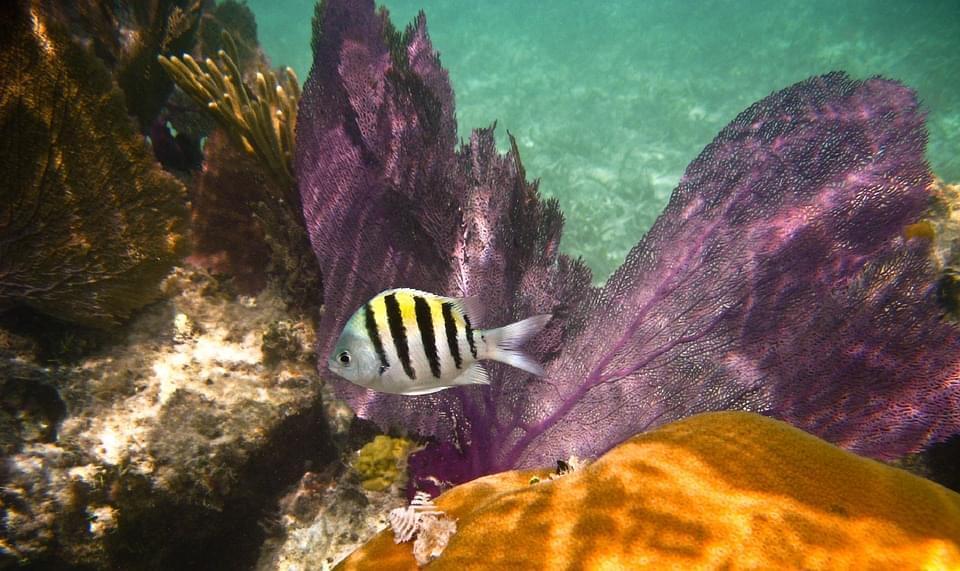 Photo by Dry Tortugas NPS. For both the winter and summer seasons, it is always best to pack both light clothes and somewhat heavier ones (sweatshirts, mackintosh to shelter from the wind, long trousers, scarves, etc.). If in fact it can be quite warm during the day, in the evening, especially when there is a breeze from the sea or in the case of sudden storms typical of the rainy season, the temperature can easily drop.
Remember, too, to always have a backpack and/or a large bag with you, which are indispensable for carrying your documents, towels, sun cream (very important!), sunglasses and mosquito repellent, as well as for excursions into the hinterland of the islands.
Don't forget your medicines at home either, especially if you suffer from stomach ailments or similar.
Finally, if you are a sea lover and can't wait to explore the marvellous seabed in these areas, take along fins, snorkel and all the necessary equipment for snorkelling (diving equipment can be hired directly on board).
Travel information: useful info
Inhabitants: 7.284 million
Capital: the Caribbean consists of a collection of islands grouped into three large groups (the Lesser Antilles, the Greater Antilles and the Bahamas). For this reason, there is no single capital.
Languages: Spanish, English, French
Local currency: Eastern Caribbean dollar (€1.00=3.090 XCD)
Climate: the Caribbean climate is tropical, rather rainy but with fairly constant temperatures throughout the year due to the presence of the sea. Maximum temperatures, however, fluctuate between 31/32° in the summer months and 19° in the colder ones, with no major swings between the rainy and drier seasons.
Vaccinations: no vaccinations required
Entry requirements: passport, tourist visa
Distance from Italy: the Caribbean is more than 8,000 km from Italy (about 10-13 hours flight time)